As a parent, you want to give your child the support they need to learn, grow, and become more independent. But when you notice challenges with communication, daily routines, social interactions, or behavior, it can be difficult to know what kind of support may be helpful. You may have heard about Applied Behavior Analysis (ABA) …

As a parent, you want to give your child the support they need to learn, grow, and become more independent. But when you notice challenges with communication, daily routines, social interactions, or behavior, it can be difficult to know what kind of support may be helpful.
You may have heard about Applied Behavior Analysis (ABA) therapy and wondered, “Could ABA therapy help my child?”
At Mireles Autism & Behavioral Center (MABC), we understand that every child has unique strengths, needs, and developmental goals. Learning more about ABA therapy can help families make informed decisions about their child’s care.
What Is ABA Therapy?
Applied Behavior Analysis (ABA) is an evidence-based approach that uses principles of learning and behavior to teach meaningful skills and support positive behavioral changes.
ABA therapy can help children develop skills related to:
- Functional communication
- Social interaction and play
- Daily living routines
- Independence and self-help skills
- Emotional and behavioral regulation
- Learning and following routines
- Safer and more functional ways to communicate their needs
ABA therapy is individualized, meaning treatment goals and strategies are developed based on each child’s strengths, needs, and family priorities.
The goal is not to change who a child is. Instead, ABA therapy focuses on helping children develop meaningful skills that can improve their participation, independence, and quality of life.
Signs Your Child May Benefit From ABA Therapy
Every child develops at their own pace. Experiencing challenges in one area does not automatically mean a child needs ABA therapy.
However, there are situations where families may benefit from learning more about behavioral support.
1. Difficulty Communicating Wants and Needs
Does your child sometimes struggle to express what they want, need, or feel?
Communication challenges may include difficulty requesting help, expressing preferences, or communicating when something is uncomfortable.
ABA therapy can support functional communication using approaches that fit the child’s abilities, including spoken language, gestures, pictures, or augmentative and alternative communication (AAC).
2. Challenges With Daily Routines
Everyday activities such as getting dressed, brushing teeth, washing hands, or transitioning between activities can require multiple skills.
Some children benefit from additional instruction and practice to participate more independently in these routines.
ABA therapy can break complex activities into manageable steps, provide individualized support, and gradually encourage greater independence.
3. Difficulty With Transitions or Changes in Routine
Moving from a preferred activity to another task can be challenging for some children.
For example, a child may have difficulty transitioning from playtime to getting ready for school.
ABA strategies may help children anticipate transitions, understand what comes next, communicate their needs, and develop coping skills that make daily routines more manageable.
4. Behaviors That Interfere With Learning or Safety
All children communicate through behavior, and behavior can serve different purposes.
Sometimes children engage in behaviors that interfere with their safety, learning, communication, or participation in daily activities.
ABA professionals work to understand the circumstances and possible functions of these behaviors before developing individualized strategies.
Support may include teaching functional communication, adjusting the environment, and building alternative skills that meet the child’s needs.
5. Needing Additional Support With Social and Play Skills
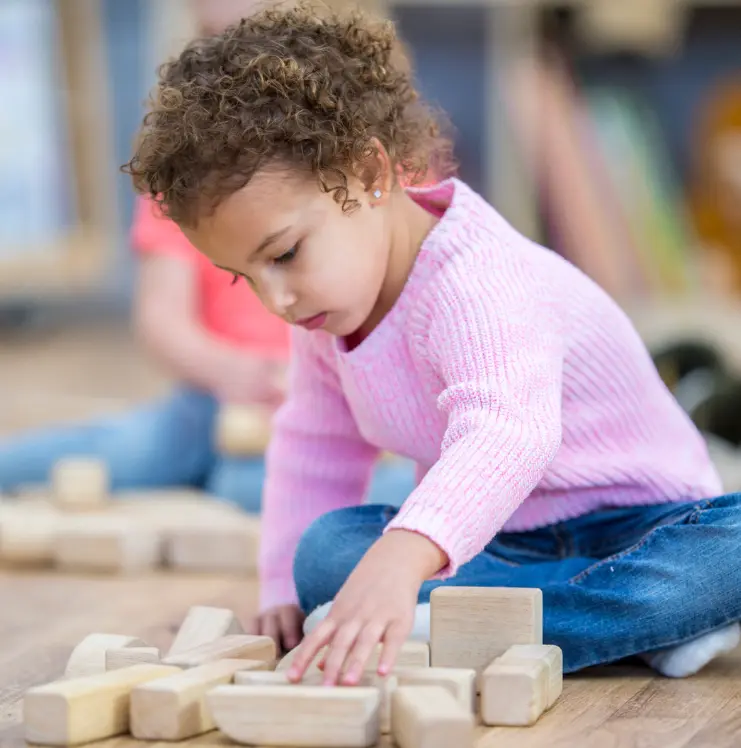
Play provides valuable opportunities for children to learn, explore, communicate, and connect with others.
Some children may benefit from individualized support with skills such as participating in shared activities, initiating interactions, or engaging in cooperative play.
ABA therapy can help children develop social and play skills in ways that respect their interests, communication styles, and individual differences.
Is ABA Therapy Only for Children With Autism?
ABA therapy is commonly associated with autism spectrum disorder (ASD), but the principles of applied behavior analysis can also be used to support individuals with other developmental and behavioral needs.
Whether ABA therapy is appropriate depends on the child’s individual circumstances, treatment goals, clinical recommendations, and available services.
At Mireles Autism & Behavioral Center, our focus is on individualized, evidence-based support that helps children develop meaningful skills.
What Happens During an ABA Assessment?
Before beginning ABA therapy, a qualified professional typically conducts an assessment to better understand the child’s strengths, needs, and areas where support may be beneficial.
An assessment may include:
- Parent or caregiver interviews
- Observation of the child’s behavior and skills
- Assessment of communication, adaptive, and other relevant skills
- Identification of meaningful treatment goals
- Development of individualized recommendations
If ABA therapy is recommended, a treatment plan may be developed with measurable goals that reflect the child’s needs and family priorities.
Progress is monitored over time, and strategies are adjusted based on the child’s response to treatment.
How Can ABA Therapy Support Independence at Home?
One important part of ABA therapy is helping children develop skills they can use in everyday life.
For example, a child may work toward:
- Requesting help when needed
- Participating in dressing routines
- Washing their hands with greater independence
- Putting away toys or personal belongings
- Communicating preferences
- Participating in family routines
These skills can be practiced during therapy and supported at home through caregiver collaboration.
Even small steps toward independence can be meaningful.
How Do I Find ABA Therapy Near Me?
If you’re searching for ABA therapy near me, it’s important to look beyond location and consider the quality and individualization of services.
Families may want to ask whether a provider offers individualized assessments, Board Certified Behavior Analyst (BCBA) oversight, caregiver involvement, and ongoing progress monitoring.
It’s also important to ask how the provider incorporates the child’s preferences, communication needs, dignity, and family goals into treatment.
Learn More About ABA Therapy at Mireles Autism & Behavioral Center
If you have questions about your child’s development or want to learn whether ABA therapy may be an appropriate option, Mireles Autism & Behavioral Center is here to help you explore the next steps.
Our approach emphasizes individualized goals, evidence-based strategies, meaningful skill development, and collaboration with families.
This article is for educational purposes and does not replace an individualized clinical assessment or medical advice.