If you've recently heard about Applied Behavior Analysis (ABA) therapy, you may be wondering: What is ABA therapy used for, and how can it help my child? ABA therapy is an evidence-based approach that uses principles of learning and behavior to teach meaningful skills and provide individualized behavioral support. For children with autism, ABA therapy …
If you’ve recently heard about Applied Behavior Analysis (ABA) therapy, you may be wondering: What is ABA therapy used for, and how can it help my child?
ABA therapy is an evidence-based approach that uses principles of learning and behavior to teach meaningful skills and provide individualized behavioral support.
For children with autism, ABA therapy may be used to support communication, social interaction, daily living skills, play, and independence.
Because every child has different strengths and needs, ABA therapy should be individualized rather than following a one-size-fits-all approach.
What Is ABA Therapy?
Applied Behavior Analysis (ABA) is a scientific approach to understanding how behavior and learning are influenced by the environment.
ABA professionals use this understanding to develop individualized strategies that help children learn useful skills and navigate everyday situations.
Therapy may include structured learning activities, play-based interactions, and opportunities to practice skills during daily routines.
The specific goals depend on the child’s needs, abilities, preferences, and family priorities.
What Skills Can ABA Therapy Help Children Develop?
ABA therapy can address different areas of development depending on each child’s individual goals.
1. Communication Skills
Communication is an important part of everyday life.
Some children communicate using spoken language, while others use gestures, pictures, or augmentative and alternative communication (AAC).
ABA therapy may help children learn to:
- Request preferred items or activities
- Express needs and preferences
- Ask for help
- Respond to communication from others
- Use functional communication in everyday situations
The goal is to support communication methods that work for the individual child.
2. Social Interaction Skills
Social interactions can look different for every child.
ABA therapy may support skills such as:
- Participating in shared activities
- Taking turns during games
- Initiating interactions
- Responding to others
- Communicating during play
Social goals should respect each child’s personality, comfort, and preferred ways of interacting.
3. Daily Living and Independence Skills
Everyday routines provide opportunities for children to develop independence.
Depending on their age and developmental needs, children may work on:
- Washing their hands
- Getting dressed
- Following familiar routines
- Asking for assistance
- Participating in age-appropriate self-care activities
These skills can help children participate more independently in their daily lives.
4. Play and Learning Skills
Play offers children opportunities to explore, communicate, and develop new skills.
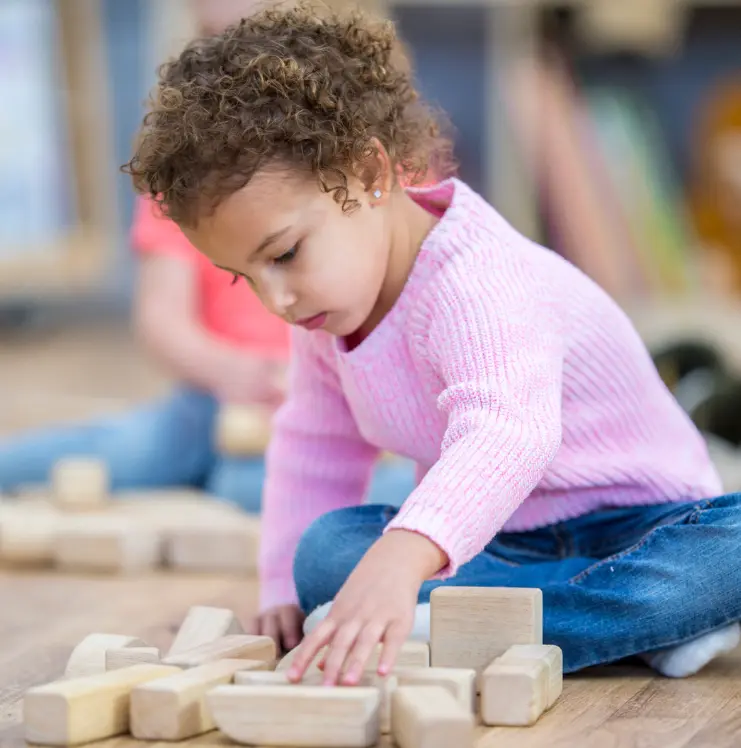
ABA therapy may incorporate activities such as puzzles, pretend play, building blocks, and interactive games.
Through individualized activities, children can practice skills related to problem-solving, communication, and participation.
5. Behavioral Support
All behavior serves a purpose, and understanding why a behavior occurs is an important part of providing effective support.
ABA professionals may assess behaviors that interfere with a child’s safety, communication, or daily participation.
Based on the child’s needs, strategies may focus on:
- Identifying possible reasons for a behavior
- Teaching functional communication
- Developing alternative skills
- Adjusting environmental factors
- Supporting safer and more effective ways to meet needs
Behavioral support should prioritize the child’s well-being, dignity, and quality of life.
Is ABA Therapy Only for Children With Autism?
No. ABA principles can be applied in different settings and with individuals who have a variety of learning and behavioral needs.
However, ABA therapy is commonly used as an intervention for children diagnosed with autism spectrum disorder (ASD).
The appropriateness of ABA services depends on an individual’s needs, treatment goals, and professional recommendations.
What Happens During an ABA Therapy Session?
A typical ABA therapy session may include a combination of play, structured activities, and everyday learning opportunities.
Depending on the child’s individualized treatment plan, a session might involve:
- Practicing communication during play
- Working on age-appropriate independence skills
- Participating in learning activities
- Practicing skills in familiar routines
- Receiving positive reinforcement for meaningful skill development
A Board Certified Behavior Analyst (BCBA) may assess the child’s needs, develop treatment goals, and oversee the intervention plan.
Registered Behavior Technicians (RBTs) may implement treatment strategies under appropriate supervision.
Sessions vary depending on the child’s individual goals, preferences, and support needs.
At What Age Can a Child Start ABA Therapy?
Children may begin receiving ABA therapy at different ages.
Some start during their toddler years, while others begin during preschool or elementary school.
Early intervention can provide opportunities to support developmental skills, but there is no single age that guarantees the best outcome.
The appropriate time to begin depends on the child’s needs, clinical recommendations, and family circumstances.
If you have concerns about your child’s development, consider speaking with a pediatrician or qualified developmental professional.
How Do I Know if ABA Therapy Is Right for My Child?
Determining whether ABA therapy is appropriate begins with understanding your child’s individual strengths, needs, and developmental goals.
Families may consider exploring professional guidance when a child needs additional support with communication, daily routines, social participation, or behaviors that affect safety and everyday activities.
Not every child with autism requires the same services, and ABA therapy is not the only available support option.
A qualified professional can help families explore interventions that align with their child’s needs and preferences.
ABA Therapy in McAllen, Brownsville, and Laredo, TX
At Mireles Autism and Behavioral Center (MABC), we provide individualized ABA therapy services for children ages 2–8.
Our approach focuses on helping children develop meaningful skills through individualized goals and supportive learning experiences.
We serve families at our locations in:
- McAllen, Texas
- Brownsville, Texas
- Laredo, Texas
We recognize that every child learns differently, and our goal is to provide support that reflects each child’s individual strengths and needs.
Learn More About ABA Therapy at MABC
If you’re exploring ABA therapy for your child, learning about the available services is an important first step.
Contact Mireles Autism and Behavioral Center to learn more about our ABA therapy programs, locations, and enrollment process.
We’re here to help families explore their options and better understand the support available for their children.
Disclaimer: This article is intended for educational purposes only and does not replace an individualized evaluation, diagnosis, or professional medical advice. Treatment recommendations should be based on each child’s individual needs and guidance from qualified professionals.